Informativa sulla privacy
L'indirizzo e-mail inserito sarà custodito nel rispetto dei principi della normativa sulla privacy e sulla sicurezza nel trattamento delle informazioni e verrà utilizzato da Unipro e dagli enti ad essa collegati quali Unipro Servizi Srl unicamente per sottoporre informazioni sulle proprie iniziative e sui propri servizi. In qualsiasi momento è possibile rivolgersi ad Unipro - inviando una mail al seguente indirizzo privacy@unipro.org oppure telefonando al numero 02.28.17.73.1 per esercitare diritti di accesso, rettifica, opposizione al trattamento riconosciuti dalla normativa sulla privacy. Relativamente al diritto di fare cessare gli invii e-mail di informazioni sulle nostre iniziative, si tenga conto che in ciascuna comunicazione sarà previsto un apposito link che consentirà di cancellarsi agevolmente dalla lista di distribuzione.
X
Fragrance is linked in an indissoluble way to Egyptian civilisation.
It was used as an intermediary between man and the gods. It was first used in the temples and was present in all rituals: a purifier, it participated in all stages of human life, in contact with the gods and during embalming rituals for the deceased.
The Egyptians, due to their fragrance and aroma skills, actually anticipated future scientific discoveries. Their influence extended as far as Asia, where Palmira and Babylon were the two major centres for fragrance activity.
The Egyptians used aromas which favoured the elevation of the spirit: resins, galbanum, laudanum, myrrh...
Perfumed oils, ointments and make-up all participated equally in the ritual: each morning the priests commenced with the cleansing of the divine statues then oiled and made-up their own faces.
Through these offerings the Egyptians gained protection from the gods for their passage to the after-life. This journey required that the body remained perfectly preserved. This belief was at the base of the embalming practice which ensured that the body remained intact through the use of substances which prevented decomposition together with fragrances.
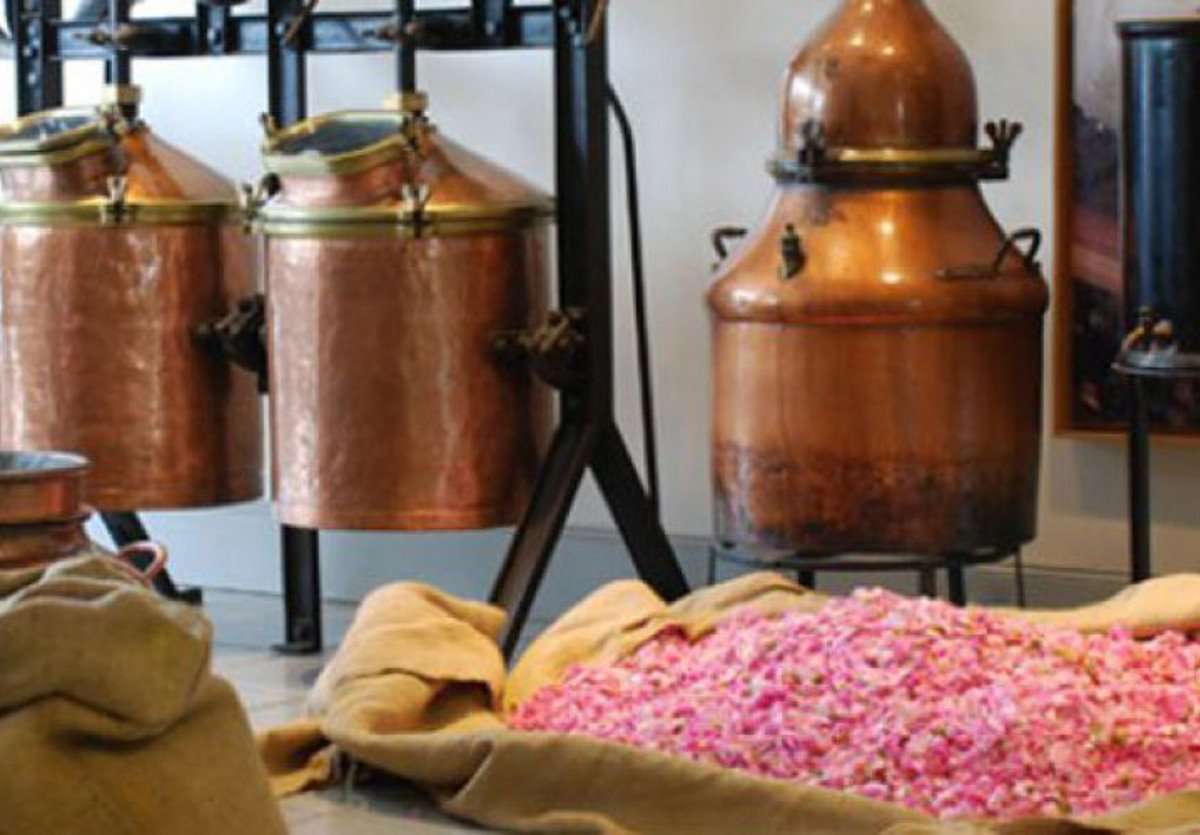
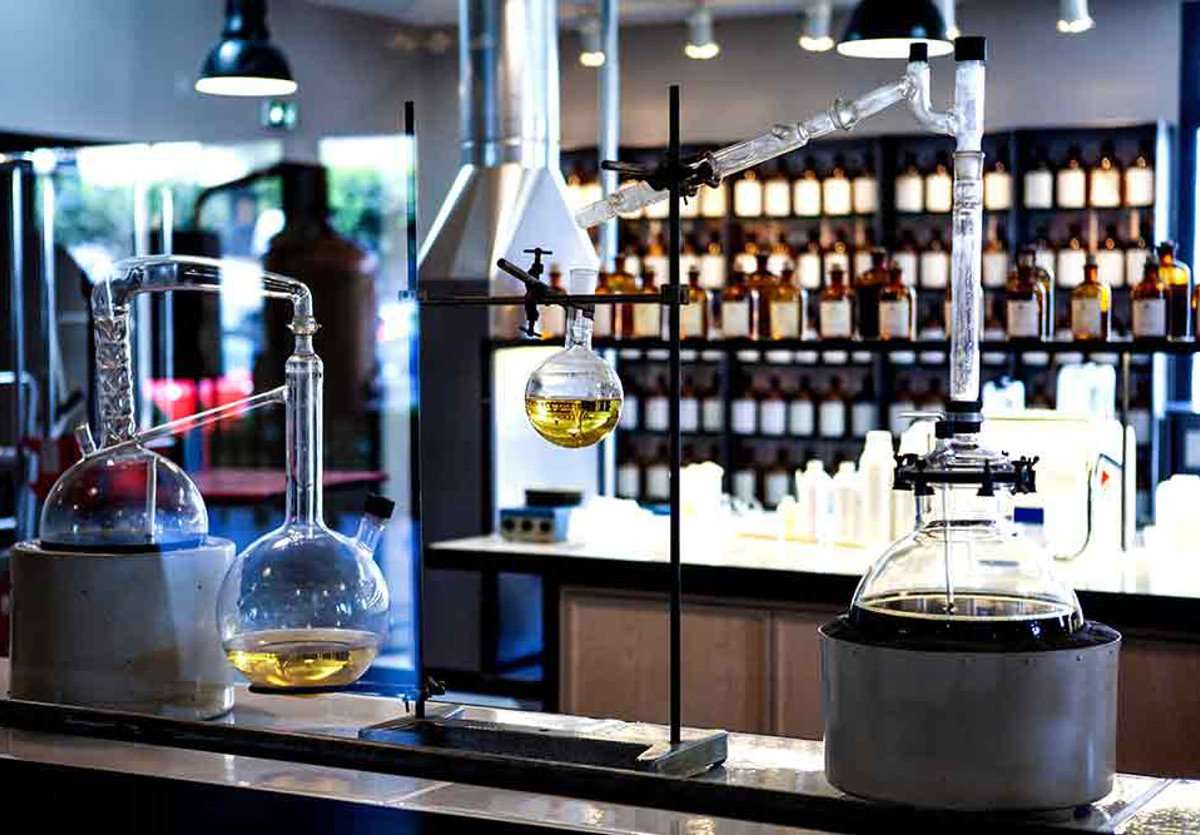
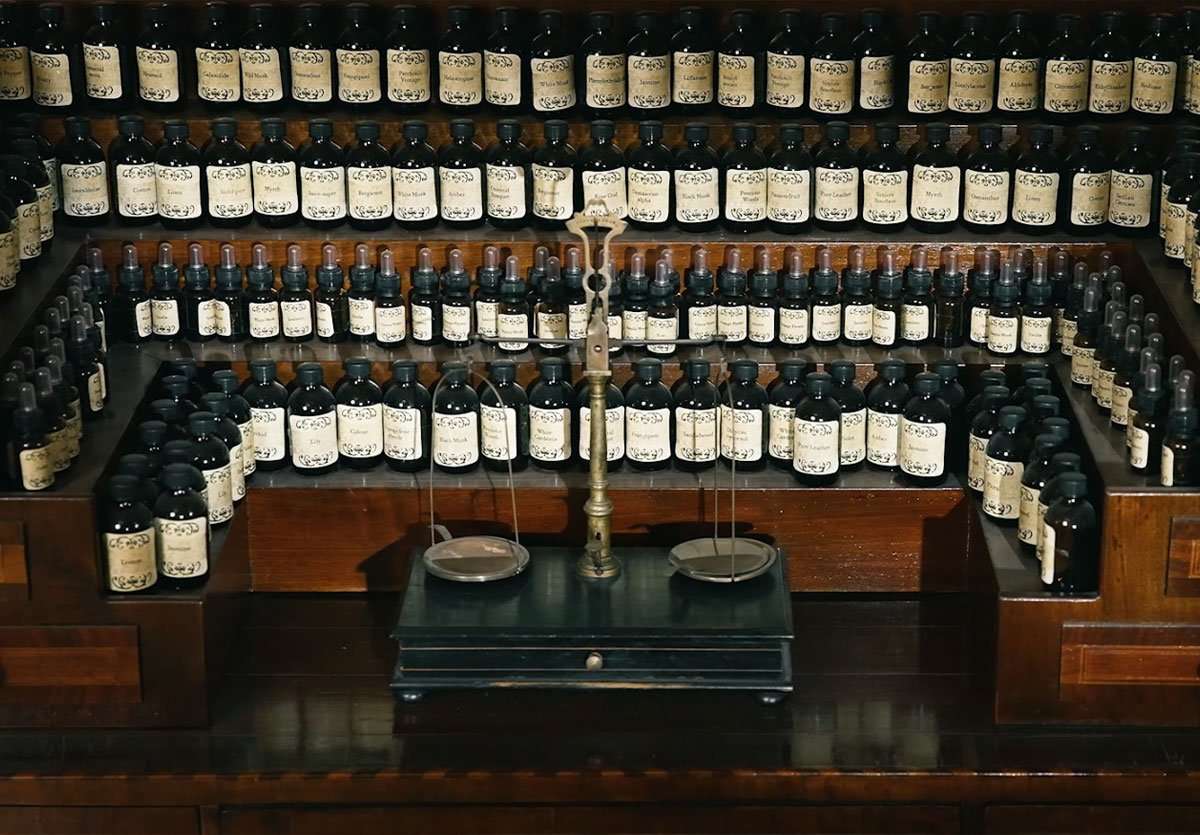
Adjacent to the places of worship, the temples had some chambers where the priests, helped by their assistants, prepared the aromas and the perfumed oils for the gods. These operations required many months work. The assistants pounded the plants, flowers, leaves and aromatic herbs and chopped the resins and the gums. Others stirred the wine, the oils and the honey in great cauldrons whilst the officiating priest, in his role as head of the laboratory, read the formula engraved on the walls. Not all the details were written down but transferred orally by the priests in order to avoid the secrets being divulged. One of these chambers has been discovered in the great Temple of Edfou, on the left bank of the Nile about a hundred kilometres south of Luxor. It was constructed during the reign of Tolomeo III, in 237 b c. and dedicated to Horus the Sun God. The aromas were protected from direct sunlight; some of the inscriptions on the walls of one of the rooms reveal the fabrication secrets of the ointments, fragrances and oils.
Perfumed substances and make-up also have an effect on mortals who first used them for their magical and therapeutic virtues. But they rapidly became instruments of seduction thanks to their aromatic and beautifying powers.
But, by and by as luxury and refinement entered their private life, the Egyptians also began to use fragrant substances in everyday hygiene. This is when the true fragrance industry first started, without doubt favoured by the naval expedition of Queen Hatshepsut to the mythical “Land of Punt”, a region believed to extend from Somalia to north Ethiopia.
The two best known resins are incense, appropriately called Sacred Boswellia and the myrrh shrub (Commiphora burseraceae).
The original fragrance used by the pharaohs was “Kyfi” made from more than 60 ingredients.
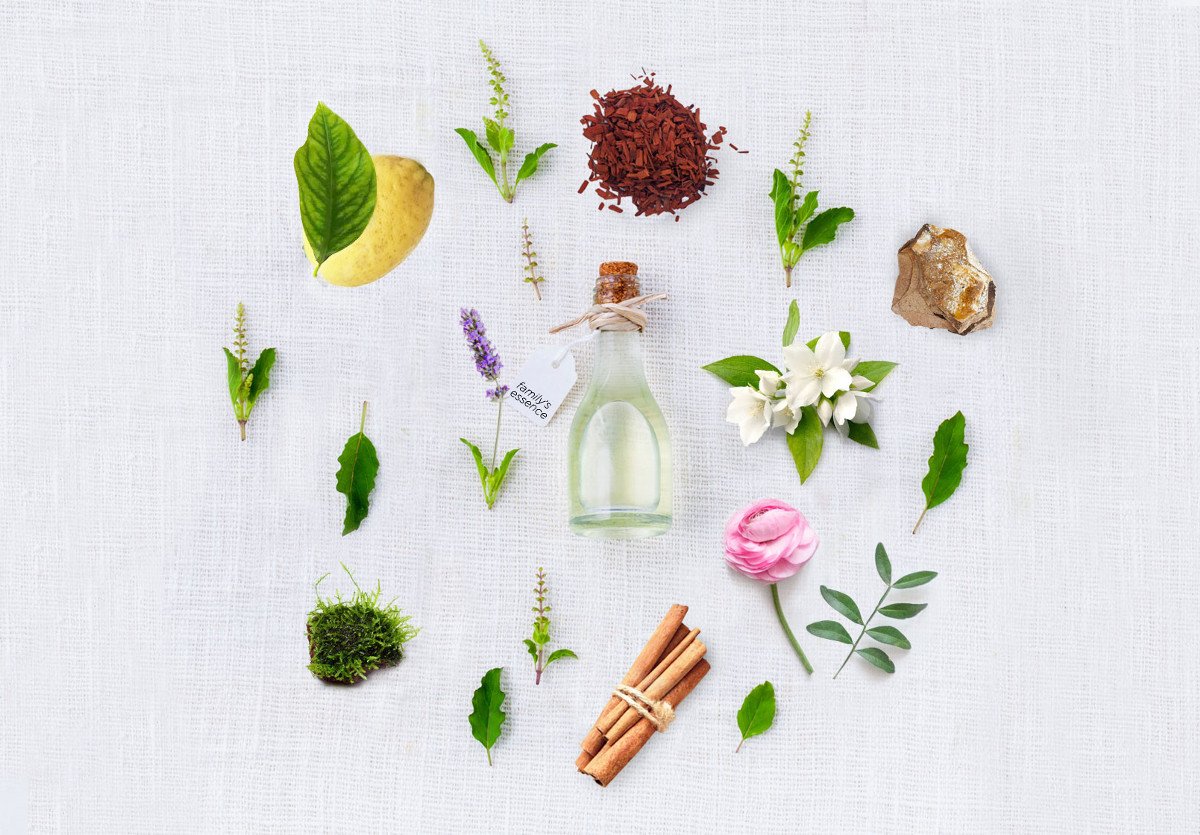
Raw materials abounded locally but fragrant raw materials were imported from Libya, the Middle East and Arabia: fragrant woods, pine oils and olive, myrrh, cinnamon, Indian spices, Judea balsam. The commercialisation of aromas was spread throughout the ancient world.