Informativa sulla privacy
L'indirizzo e-mail inserito sarà custodito nel rispetto dei principi della normativa sulla privacy e sulla sicurezza nel trattamento delle informazioni e verrà utilizzato da Unipro e dagli enti ad essa collegati quali Unipro Servizi Srl unicamente per sottoporre informazioni sulle proprie iniziative e sui propri servizi. In qualsiasi momento è possibile rivolgersi ad Unipro - inviando una mail al seguente indirizzo privacy@unipro.org oppure telefonando al numero 02.28.17.73.1 per esercitare diritti di accesso, rettifica, opposizione al trattamento riconosciuti dalla normativa sulla privacy. Relativamente al diritto di fare cessare gli invii e-mail di informazioni sulle nostre iniziative, si tenga conto che in ciascuna comunicazione sarà previsto un apposito link che consentirà di cancellarsi agevolmente dalla lista di distribuzione.
X
After the fall of the Roman empire in 476 a.C., for centuries the west fell into barbarity. The culture of fragrance for personal or environmental use remained in the East.
Mohammed said: "Women, children and fragrances are the things I adore most in the world".
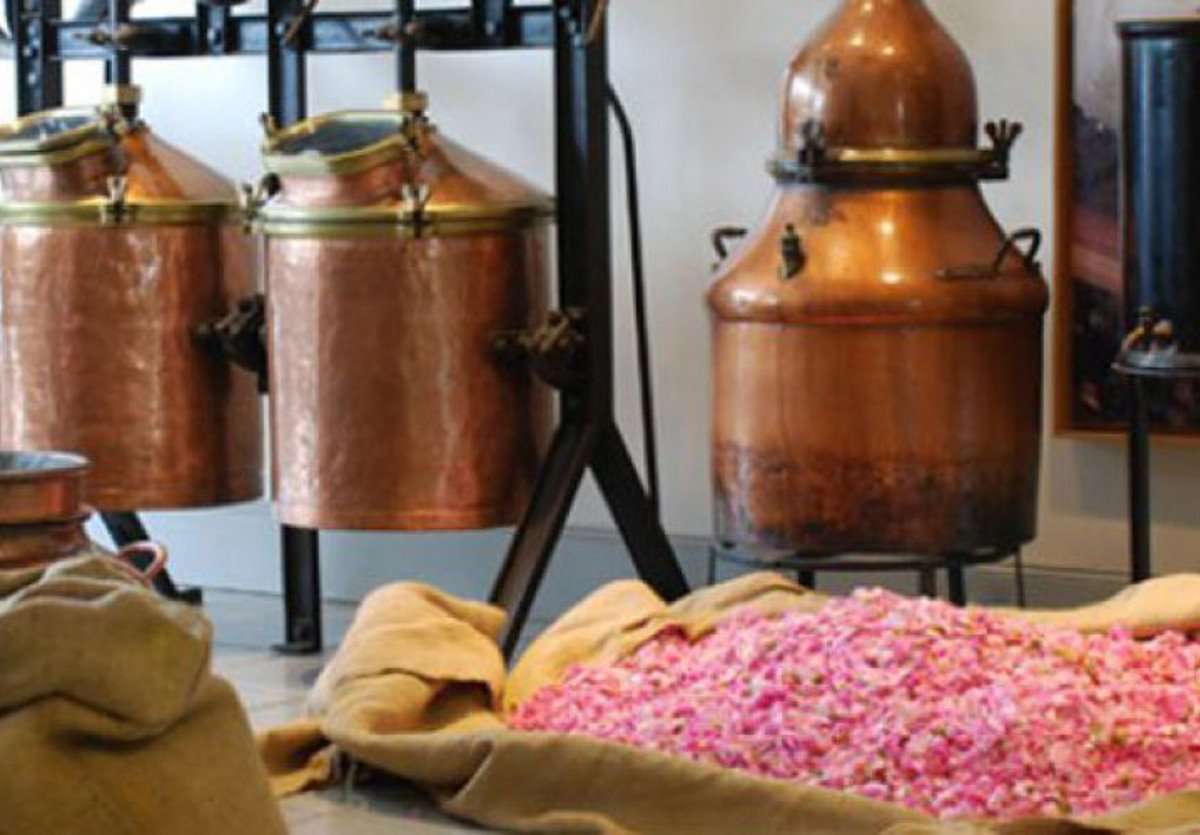
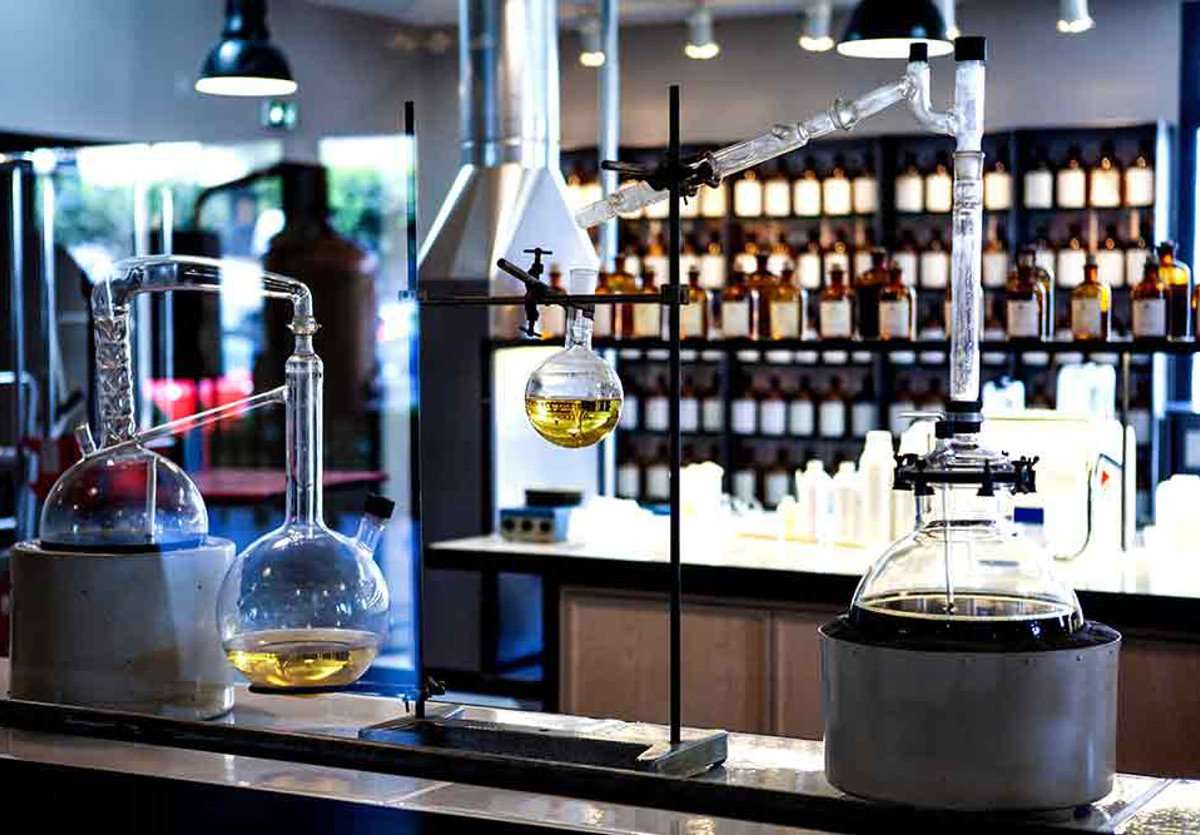
The Arabs, beginning from the VIII century, translate Greek, Persian, Roman and Byzantine, texts, all countries by then under Islamic rule, and preserve them in immense libraries. These translations are the base of medical, pharmaceutical and chemical sciences for the following centuries for the whole of the Mediterranean basin and Europe. The great scientific culture of the Arabs influenced the schools of Salerno and Montpellier in the Middle Ages, specialising in the link between pharmaceutical research and the perfumery. Medieval alchemy owes its existence to “al-kimîya” which plays an important role in the art of the distillation. The Arabs were not the inventors of this technique but they refined it and spread it in Europe. In the period in which all fragrances used fatty bases as support, in the X century the Arabs invented the still. With this method, fragrance used alcohol as a vector: an enormous number of plants were able to be distilled thereby dramatically widening the range of available aromas in perfumery. It was only in the XIII century, at the end of the Crusades, that fragrance returned to Europe.
As in the image of the Greek Champs Elysèes, the Moslem heaven is impregnated with the sweetest of fragrances. The Koran speaks of women, houris, made from "purest musk".
Arabia is the place of excellence for aromas. Properzio, Latin poet at the dawn of the Christian era, spoke of "Arabia of a thousand perfumes". Arabian literature and poetry abounds with texts inspired by fragrance. The poets Hafiz and Saadi praised the rose, whose odour is more appreciated in the Arabic world, than that of musk.
Rosewater is used for perfuming rooms in the house or to aromatize certain dishes: loukoums, candy and sherbets. One drank from cups impregnated with fragrant resins, grey amber was mixed with coffee.
The Moslem purification rites are very rigid and they accompany all stages of daily life. To purify themselves completely the men regularly go to the public baths. In their harems the Moslem women pass most part of their time perfuming their skin.