June 24, 2013
 
June 12, 2013
 
May 31, 2013
 
follow Accademia del Profumo on
Segui Accademia del Profumo su Facebook    Segui Accademia del Profumo su Twitter
Segui Accademia del Profumo su Pinterest    Segui Accademia del Profumo su YouTube    Segui Accademia del Profumo su Instagram
Subscribe to the Newsletter
Firstname:
Lastname:
E-Mail:
fields are all mandatory


Informativa sulla privacy

L'indirizzo e-mail inserito sarà custodito nel rispetto dei principi della normativa sulla privacy e sulla sicurezza nel trattamento delle informazioni e verrà utilizzato da Unipro e dagli enti ad essa collegati quali Unipro Servizi Srl unicamente per sottoporre informazioni sulle proprie iniziative e sui propri servizi. In qualsiasi momento è possibile rivolgersi ad Unipro - inviando una mail al seguente indirizzo privacy@unipro.org oppure telefonando al numero 02.28.17.73.1 per esercitare diritti di accesso, rettifica, opposizione al trattamento riconosciuti dalla normativa sulla privacy. Relativamente al diritto di fare cessare gli invii e-mail di informazioni sulle nostre iniziative, si tenga conto che in ciascuna comunicazione sarà previsto un apposito link che consentirà di cancellarsi agevolmente dalla lista di distribuzione.

X


17th Century: from leather to fragrange

The fashion for perfumed leather, introduced in the previous century, had a rapid success. Everyone wore the "fragrant leather" perfumed with ointments of jasmine for example. Gloves, waistcoats, doublets, shoes, belts, caskets, fans were all treated in this way. Important gentlemen had the habit of ordering soft waistcoats from Grasse, impregnated with perfumed ointments.

In January of 1614, the glove perfumers received a license  from the king which gave them "the permission to call themselves and to qualify themselves at the same time both glove makers and perfumers".

The success of the glove perfumery of Grasse was the origin of a considerable extension in floral agriculture.

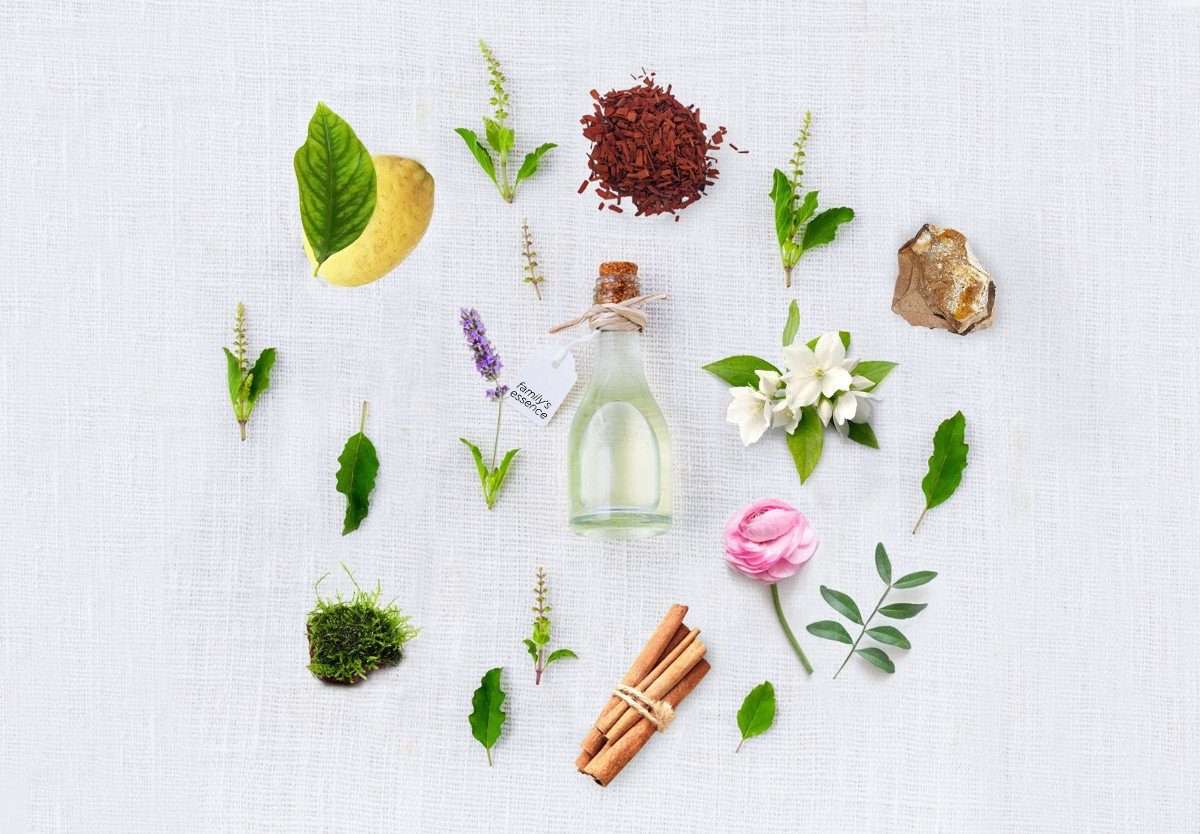
The three plants used most often in this era by the perfumery were jasmine, rose and tuberose.

Jasmine coming from the Indies appeared towards 1650 in Grasse. At the same time rose cultivation began with the rose volgaris. The tuberose, which came from Italy, was established towards 1670. The area of jasmine cultivation on the outskirts of Grasse could be estimated at about 15 hectares at the end of the XVII century.

Established in laboratories of modest dimensions, during the reign of Luigi XIV the glove perfumers became a rich and powerful element of the Provencal economy.

The creation of the Indies Company greatly helped the development of the profession which then received the first raw materials directly in France (musk, patchouli, vetiver, sandalwood) without having to pass through Italy or Spain.